


Here’s the thing about wanting straighter teeth as an adult or a teenager: nobody wants to spend a year and a half with metal brackets catching every glance in a meeting or a school photo. Invisalign solves that problem with a series of clear, custom trays that move your teeth gradually, without wires or brackets at all.
Dr. Neil Mandalia offers Invisalign at both the Newtown and Holland offices, and he treats it the same way he treats every case that walks through his door: built around your biology, not a one-size-fits-all schedule. If you’re wondering whether Invisalign is the right call for your smile, here’s what it actually involves.
What Invisalign Is and Who It’s For
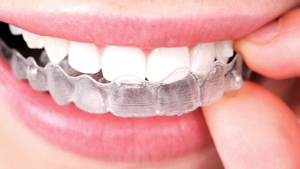
Invisalign uses a series of clear, removable trays instead of traditional braces. Each tray nudges your teeth slightly closer to their final position, and you move to the next one every couple of weeks.
It tends to work well for people with mild to moderate spacing, crowding, or bite issues, and it’s especially popular with adults and teens who want a treatment that doesn’t announce itself. You can take the trays out to eat, brush, and floss, which is a real draw for anyone who’s dreaded the maintenance side of traditional braces.
If your case involves something more structural, like a jaw discrepancy or a more complex bite problem, Dr. Mandalia will say so directly. Everybody’s biology is different, and he’d rather tell you plainly what will actually get you the result than push Invisalign where it isn’t the best tool.

How Invisalign Works
Treatment starts with a digital 3D scan of your teeth, which builds a simulation of your projected final smile. You get to see roughly where you’re headed before you commit to anything, which takes a lot of the guesswork out of starting treatment.
From that scan, Dr. Mandalia designs your custom series of trays and maps out the pace of your treatment. You’ll wear each tray around 20 to 22 hours a day, switching to the next one on the schedule he sets for your case specifically, not a generic timeline pulled from a chart.
Why Patients Choose Dr. Mandalia for Invisalign
This is a small, boutique practice by design, so the orthodontist who plans your Invisalign case is the same one checking your progress at every visit. You’re never handed off to whoever happens to be free that day.
Dr. Mandalia also uses remote monitoring technology between appointments, and he’s been recognized for using it to its full capacity. That means your progress gets tracked from home, so your in-office visits can be spaced further apart without anyone losing track of how your trays are moving.
The physical experience matters too. He designed the Newtown office himself, drawing on his background in architecture, so it feels calm and unhurried rather than clinical, which tends to ease the dread a lot of patients bring in with them.
What to Expect During Invisalign Treatment
The first few days after switching to a new tray usually come with mild pressure. That’s normal, and it means the tray is doing its job.
Between visits, remote monitoring lets Dr. Mandalia keep an eye on your progress without requiring you to drive in every few weeks just for a quick look. As you move through your tray series, you’ll start noticing the changes the 3D simulation showed you at the beginning.
By the end of treatment, you’ll have the smile you were shown on day one, and you’ll likely have gotten there with fewer office visits than a traditional check-in schedule would require.
Ready to Find Out if Invisalign Is Right for You
If you’re curious whether Invisalign fits your case or you’re weighing it against other clear aligner options, the next step is a conversation, not a guess. Dr. Mandalia will look at your scan and tell you honestly what will get you the best result.
Frequently Asked Questions
Q: How long does Invisalign treatment usually take? A: It depends on your case, but many patients move faster than expected because the plan is built around their specific teeth from the start. Dr. Mandalia will give you a real timeline after reviewing your scan.
Q: Is Invisalign noticeable when I’m wearing it? A: Not really. The trays are clear and low profile, so most people won’t notice unless they’re looking closely.
Q: Can teenagers get Invisalign, or is it mainly for adults? A: Both. Teens often like that the trays are easy to manage around sports and social events, and adults tend to choose Invisalign to avoid the look of traditional braces at work.
Q: How often will I need to come into the office? A: Less than you’d expect. Remote monitoring lets Dr. Mandalia track your progress between visits, which usually means fewer trips to the office without losing oversight of your case.
Q: What’s the difference between Invisalign and the other clear aligners you offer? A: Both move teeth using a series of clear, custom trays, but they’re different systems with different design and material approaches. Dr. Mandalia can walk you through both options at your consultation and recommend the one that fits your case best.
Q: What if my case turns out to need more than Invisalign can fix? A: Dr. Mandalia will tell you directly. If your case calls for a different approach, he’ll walk you through those options instead of fitting your case into Invisalign trays that won’t get you the result you actually want.
Ready to see if Invisalign fits your smile? Request an appointment with Dr. Mandalia and get a straight answer, along with a clear plan.